
How to Get Court Records
The DeKalb County Circuit Court Clerk is the first stop. That office holds Circuit, Criminal, General Sessions, and Juvenile files. The county posts date-based calendars on its Courts and Dockets page. Those web files are informational, the county cautions, and may change. They can hand you a case number and a date. They are not the official file.
Requests for DeKalb County court records go through the counter. Mail, phone, fax, and a published email also work. The trial courts here offer no general online request form or public document viewer. Chancery matters belong to the Clerk and Master. If an appeal climbs to a Tennessee appellate court, it may show up in Public Case History. That system is separate.
- Identify the court, full case number, caption, and date.
- Name the docket sheet, order, judgment, transcript, filing, or full file.
- Choose inspection or copies and certified or uncertified form.
- Contact the proper clerk and ask for the current charge.
- Arrange counter pickup, mail, or an available electronic response.
DeKalb Records Behind the PDF
A posted DeKalb County docket is only a calendar snapshot. The official file holds pleadings, motions, service returns, signed orders, judgments, exhibits, and payment records. Note the PDF's generated date, since add-ons and revisions can follow it. A case can be missing from one date's PDF. That does not mean no case exists. The clerk's official page lays out the record-office route.
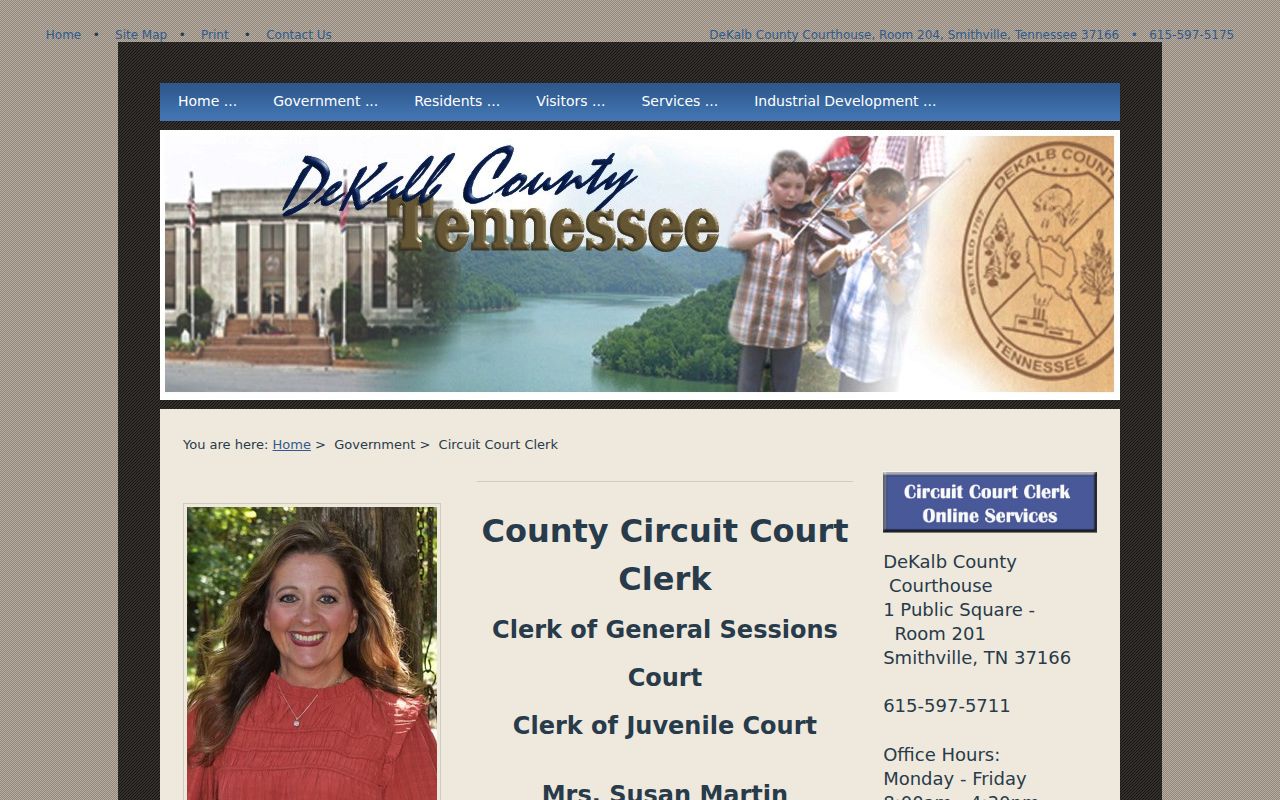
This source helps a reader reach the custodian, not inspect a litigant's file.
Types of Court Records
The type of record matters. It decides which office holds the file and how it gets released. DeKalb County's Circuit Court Clerk keeps the trial files assigned to that office. Chancery questions go to the Clerk and Master. City-court records sit with municipal clerks. The County Clerk's administrative work is a different animal from a judicial file.
- Docket or calendar listings of settings
- Case files with pleadings, motions, orders, and returns
- Cost records with fines, taxes, receipts, or payment entries
- Administrative and judicial records defined by Rule 34
- Separate appellate or federal court files
Name the exact product you want. A docket sheet, a final order, and a full case file are not the same thing.
DeKalb Record Request Details
A strong request names the case number and court. Add the caption, date range, and the exact item wanted. Say whether inspection is enough. Say whether the copy needs certification. Note if you prefer paper or electronic delivery. For a mailed request, add contact details and ask for a quote before work begins. Skip sensitive facts the clerk does not need. The Comptroller's Tennessee Public Records Act FAQ explains that requests go to the custodian of the records, not to some central repository.
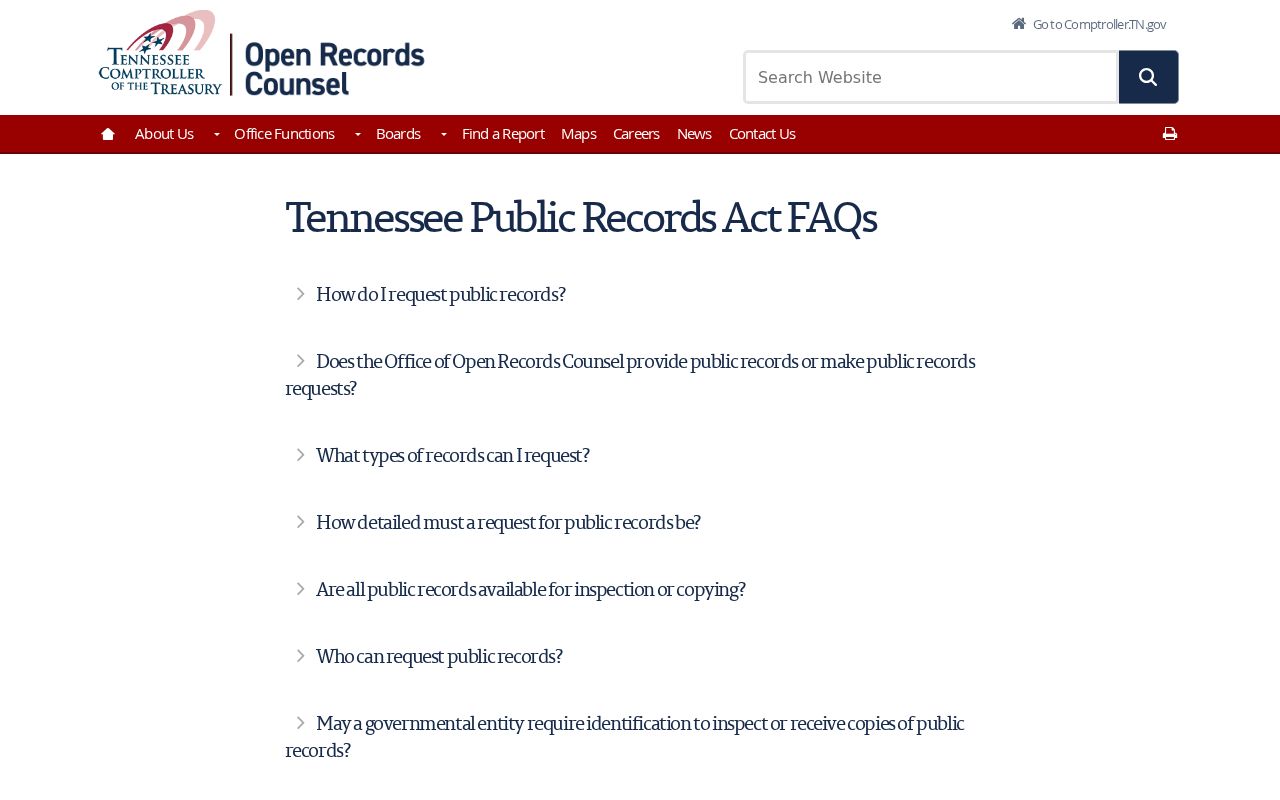
State law sets the framework. The local clerk still holds the DeKalb County file.
What a Court Record Contains
A full DeKalb County court record carries far more than a hearing list, though contents vary and some items may be sealed or redacted. A General Sessions example looks like 21GS1-2026-CR. A Circuit example uses 21CC1-2026-CV.
| Case number | Primary locator with observed court prefix and CR, CV, or TR suffix. |
|---|---|
| Pleadings | Complaints, petitions, answers, motions, or warrants. |
| Orders and judgments | Signed rulings and formal disposition where public. |
| Docket entries | Filed events and settings beyond a calendar snapshot. |
| Exhibits and returns | Attachments and service proof, subject to limits. |
A charge, a party name, or a hearing is not a judgment. Read the signed order before treating any matter as resolved.
DeKalb Forms Are Not Requests
The county's forms page lists divorce forms, and it carries no general record-request or case-export form. Staff cannot interpret forms or hand out legal advice. If you want an existing judgment, request that judgment directly rather than picking a form meant to manage a case. See the official DeKalb court forms page.

Use clerk channels for existing records. Forms and filed records serve different tasks.
Certified Copies and Fees
An uncertified copy simply reproduces the record. A certified copy carries the clerk's certification. DeKalb County's General Sessions civil fee image lists the amounts, though fees can change. Ask whether postage, service, search time, or a case-specific fee applies.
| Item | Published amount |
|---|---|
| Ordinary copy | $0.50 per page |
| Certified copy with self-addressed envelope | $5 clerk fee/total |
| Other file or search | Ask the clerk |
Check the county's 2026 fee schedule when ordering.

The page covers many charges, so confirm the correct line.
DeKalb County Circuit Court Clerk
1 Public Square, Room 201
Smithville, TN 37166
615-597-5711
Fax 615-597-9919
susan.martin@tncourts.gov
Monday-Friday, 8:00 a.m.-4:30 p.m.
Choose the DeKalb Custodian
Susan L. Martin's office maintains the Circuit, Criminal, General Sessions, and Juvenile records the county describes. For Chancery, Nicole Wright is listed as Clerk and Master in Room 302, phone 615-597-4360. A city clerk handles municipal cases. Michael Clayborn's County Clerk office covers administrative work. The Comptroller publishes records contact guidance.
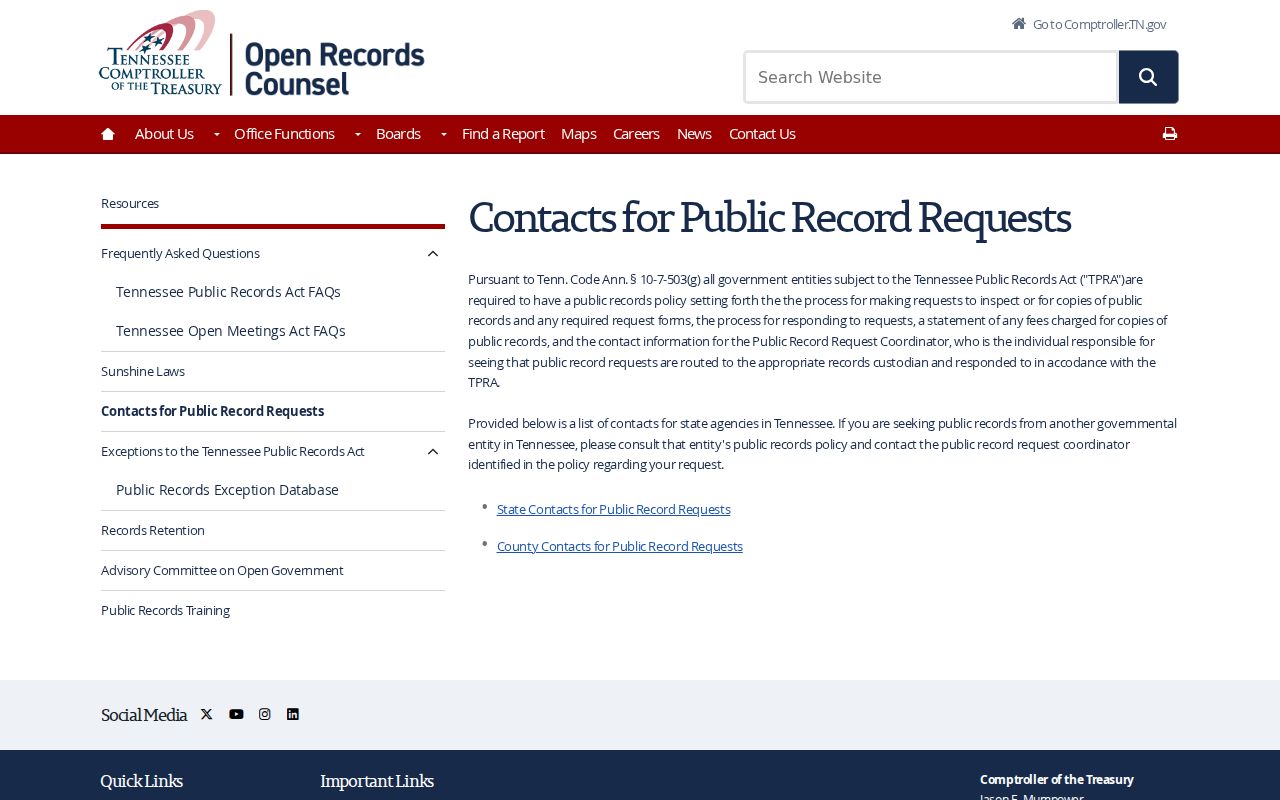
The state list does not replace the clerk who holds the local case.
Public Access and Sealed Records
Tennessee Supreme Court Rule 34 treats court public records as open. Another law, rule, or order must create an exception. DeKalb County says clerk records are open except juvenile records. Still, sealed cases, expungement, confidentiality, and privacy redaction all remain in force. The official Rule 34 page states the baseline.
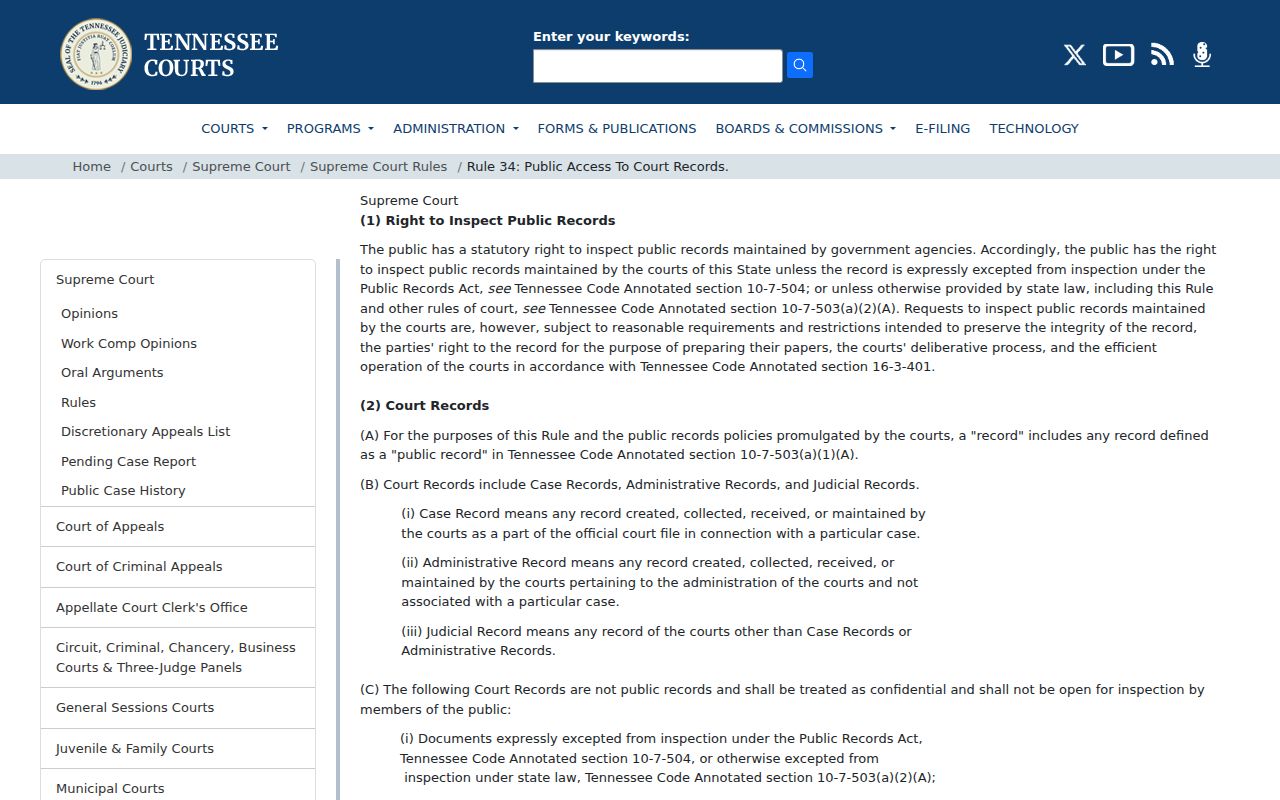
A missing entry proves nothing either way about a hidden case.
Key rules:
Rule 34 sets the public-access baseline and recognizes exceptions.
Juvenile Rule 114 restricts dependency and neglect proceedings and permits other juvenile limits.
DeKalb Redaction Before Release
Public status does not expose every identifier. Local rules require redaction of certain identifiers. The list covers Social Security and taxpayer identifiers, account and routing data, and passport numbers. It also covers biometrics, driver-license numbers, vehicle identification numbers, minors' full names, and most birth-date details. The clerk may redact parts of an otherwise public file. The official FAQ also covers inspection, copies, response, and fee concepts.
Ask for the legal basis behind any withheld material. Never ask staff to bypass a seal.
DeKalb Court File Boundaries
A docket and a case file answer different questions. The calendar shows a motion is set. The filed motion says what relief is requested. A signed order records what the judge decided. A caption names the parties without proving an allegation. When exact wording, service, or the outcome matters, request the underlying document.
Court type matters more than where an event happened. A municipal citation may stay with a city clerk, a General Sessions matter runs through the county route, and an appeal can create a Circuit record. A later appellate case may appear in Tennessee Public Case History. Give each custodian every known number so records from different court levels never get confused.
DeKalb Request Timing and Scope
Tennessee keeps no single public-record repository. Every request starts with the office that holds the file. For inspection, you cannot be forced to put the request in writing. Copies work differently. The custodian may demand a written request or form. Describe the record well enough that staff can actually find it. Searching, legal review, redaction, certification, and copying each add time. A prompt acknowledgement is not a promise of quick production.
Some files need a separate analysis. Think juvenile, adoption, commitment, order-of-protection, expunged, confidential, and court-sealed material. DeKalb's county page states that juvenile records are sealed. Tennessee Juvenile Rule 114 sorts proceeding types. It is not a general route for public retrieval. Ask whether party status, statutory authority, or a court order is required. A missing public result proves neither a hidden case nor the absence of any filing.
DeKalb Record Follow-Up
Save the clerk's response. Keep your request details and any quoted fee with it. If a record is unavailable, ask questions. Ask whether the matter sits in another court. It may instead be restricted, not filed yet, or described too broadly. Working through those possibilities beats assuming a missing result settles the question. For certification, name the exact order or docket sheet and ask how the clerk will authenticate it. A downloaded calendar is not a certified court record.